Ultimate Guide SaaS Stack for Small Businesses

Running a successful small business today requires more than just a great product or service. The right software can automate repetitive tasks, improve collaboration, strengthen customer relationships, and help your business scale efficiently.

Instead of juggling dozens of disconnected tools, many businesses are now building a complete SaaS (Software as a Service) stack—a collection of cloud-based applications that work together to manage everything from websites and marketing to accounting and customer support.

In this guide, we’ll explore the ultimate SaaS stack for small businesses in 2026, highlighting the best software categories and recommended tools for each business function.

1. Website Builder: Build a Professional Online Presence

Your website is often the first interaction customers have with your business. A modern website builder helps you create a fast, mobile-friendly, and SEO-optimized site without hiring a developer.

Recommended Tools
  • Webflow – Best for professional websites with advanced customization.
  • WordPress – Ideal for blogs and content-heavy websites.
  • Wix – Great for beginners and local businesses.

Why it matters: A professional website builds trust, improves search visibility, and acts as the foundation of your digital marketing strategy.

2. Email Marketing & Automation

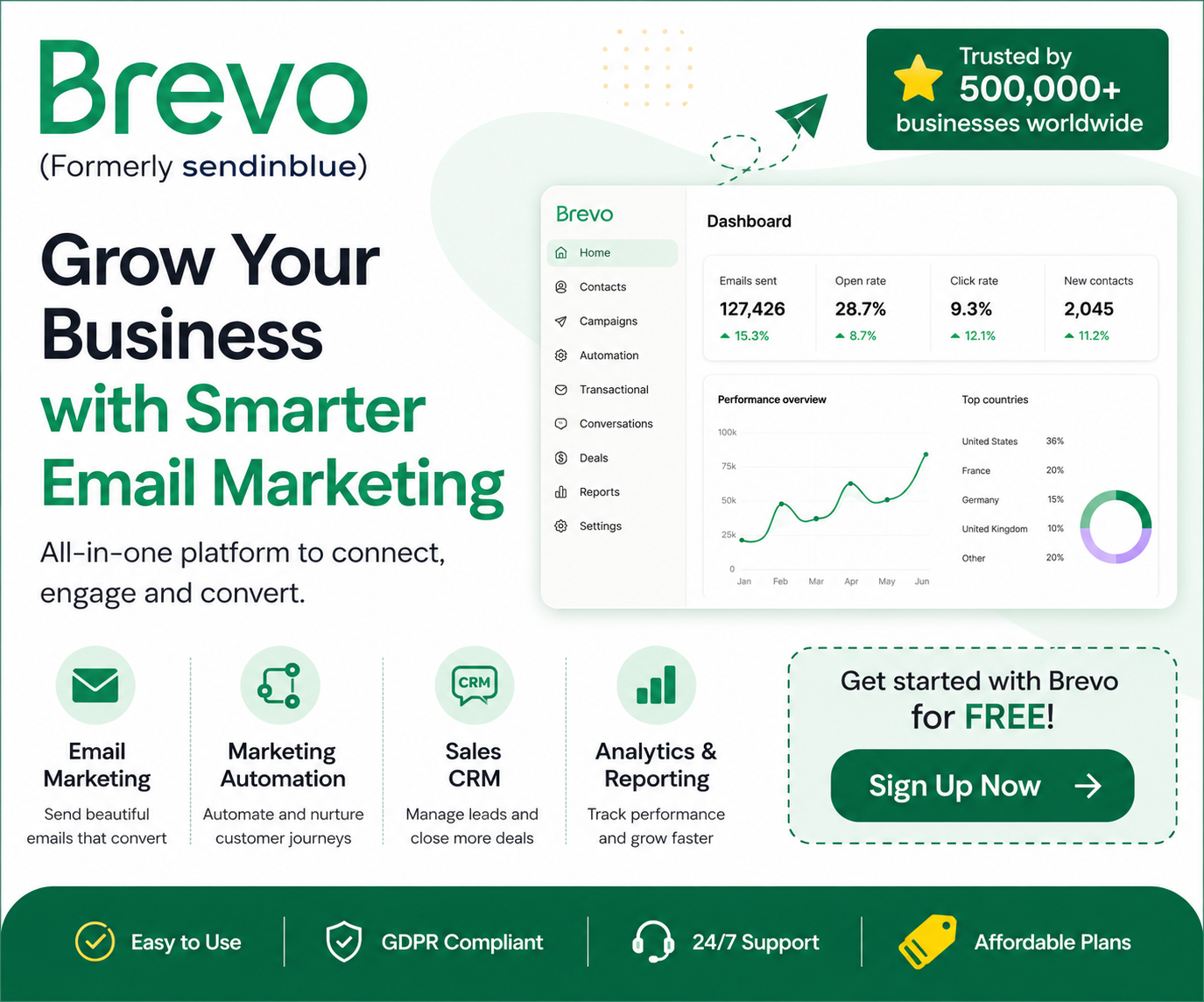
Email marketing continues to deliver one of the highest returns on investment for businesses. Modern platforms let you automate welcome emails, abandoned cart reminders, newsletters, and customer follow-ups.

Recommended Tools

Benefits:

  • Automated campaigns
  • Customer segmentation
  • Lead nurturing
  • Performance analytics

3. Project Management

Keeping projects organized is essential as your team grows. Project management software helps assign tasks, track deadlines, and improve collaboration.

Recommended Tools

  • Monday.com
  • ClickUp
  • Asana
  • Trello

Best for:

  • Remote teams
  • Marketing agencies
  • Startups
  • Small businesses

4. Customer Relationship Management (CRM)

A CRM centralizes customer information, sales pipelines, and communication history, helping businesses close more deals and build stronger relationships.

Popular Choices
  • HubSpot CRM
  • Zoho CRM
  • Pipedrive

Benefits:

  • Lead management
  • Sales automation
  • Contact organization
  • Pipeline tracking

5. Team Communication

Efficient communication reduces delays and improves productivity, especially for remote or hybrid teams.

Recommended Tools
  • Slack
  • Microsoft Teams
  • Google Chat

Features typically include:

  • Instant messaging
  • File sharing
  • Video meetings
  • Channel-based discussions

6. Accounting & Finance

Managing invoices, expenses, payroll, and cash flow becomes much easier with cloud accounting software.

Recommended Tools
  • BILL
  • QuickBooks Online
  • Xero

These platforms simplify financial management while reducing manual errors.

7. Customer Support

Excellent customer service improves retention and strengthens your brand reputation.

Recommended Tools
  • Gorgias
  • Zendesk
  • Freshdesk

Key features include:

  • Shared inboxes
  • Live chat
  • Help centers
  • AI-assisted responses
  • Ticket management

8. Content Creation & AI

AI-powered tools help businesses create content faster while improving marketing efficiency.

Recommended Tools
  • Descript – AI video and podcast editing.
  • Gamma – AI-powered presentations.
  • Canva – Graphic design.
  • ChatGPT – Content creation and brainstorming.

These tools save time while maintaining professional-quality output.

9. Ecommerce Growth

Online stores require specialized software to manage sales, referrals, and customer engagement.

Recommended Tools
  • Shopify
  • Superfiliate
  • Klaviyo

These platforms help businesses increase customer lifetime value through personalized marketing and referral programs.

10. Community Building

Building an engaged customer community can improve loyalty and create recurring revenue.

Recommended Tool
  • Circle

Use cases include:

  • Membership websites
  • Online courses
  • Coaching communities
  • Private discussion forums

How to Build Your SaaS Stack

Not every business needs every tool immediately. Start with the essentials and expand as your business grows.

Startup Stack
  • Website Builder
  • Email Marketing
  • CRM
  • Accounting Software
Growing Business Stack
  • Project Management
  • Customer Support
  • AI Content Tools
  • Analytics
Scaling Business Stack
  • Marketing Automation
  • Referral Software
  • Community Platform
  • Advanced Reporting

Choosing tools that integrate with each other reduces manual work, eliminates duplicate data, and creates smoother workflows.

A carefully chosen SaaS stack can dramatically improve productivity, customer experience, and business growth. Rather than chasing every new software trend, focus on tools that solve real business problems and integrate well with your existing workflow.

For most small businesses in 2026, an effective stack includes a professional website builder like Webflow, email marketing through Brevo or ActiveCampaign, project management with Monday.com, accounting using BILL, customer support via Gorgias, and AI-powered productivity tools such as Descript and Gamma.

Investing in the right software today will save time, reduce operational costs, and position your business for long-term success.
Running a successful small business today requires more than just a great product or service. The right software can automate repetitive tasks, improve collaboration, strengthen customer relationships, and help your business scale efficiently.

Instead of juggling dozens of disconnected tools, many businesses are now building a complete SaaS (Software as a Service) stack—a collection of cloud-based applications that work together to manage everything from websites and marketing to accounting and customer support.

In this guide, we’ll explore the ultimate SaaS stack for small businesses in 2026, highlighting the best software categories and recommended tools for each business function.

1. Website Builder: Build a Professional Online Presence

Your website is often the first interaction customers have with your business. A modern website builder helps you create a fast, mobile-friendly, and SEO-optimized site without hiring a developer.

Recommended Tools
  • Webflow – Best for professional websites with advanced customization.
  • WordPress – Ideal for blogs and content-heavy websites.
  • Wix – Great for beginners and local businesses.

Why it matters: A professional website builds trust, improves search visibility, and acts as the foundation of your digital marketing strategy.

2. Email Marketing & Automation

Email marketing continues to deliver one of the highest returns on investment for businesses. Modern platforms let you automate welcome emails, abandoned cart reminders, newsletters, and customer follow-ups.

Recommended Tools

Benefits:

  • Automated campaigns
  • Customer segmentation
  • Lead nurturing
  • Performance analytics

3. Project Management

Keeping projects organized is essential as your team grows. Project management software helps assign tasks, track deadlines, and improve collaboration.

Recommended Tools

  • Monday.com
  • ClickUp
  • Asana
  • Trello

Best for:

  • Remote teams
  • Marketing agencies
  • Startups
  • Small businesses

4. Customer Relationship Management (CRM)

A CRM centralizes customer information, sales pipelines, and communication history, helping businesses close more deals and build stronger relationships.

Popular Choices
  • HubSpot CRM
  • Zoho CRM
  • Pipedrive

Benefits:

  • Lead management
  • Sales automation
  • Contact organization
  • Pipeline tracking

5. Team Communication

Efficient communication reduces delays and improves productivity, especially for remote or hybrid teams.

Recommended Tools
  • Slack
  • Microsoft Teams
  • Google Chat

Features typically include:

  • Instant messaging
  • File sharing
  • Video meetings
  • Channel-based discussions

6. Accounting & Finance

Managing invoices, expenses, payroll, and cash flow becomes much easier with cloud accounting software.

Recommended Tools
  • BILL
  • QuickBooks Online
  • Xero

These platforms simplify financial management while reducing manual errors.

7. Customer Support

Excellent customer service improves retention and strengthens your brand reputation.

Recommended Tools
  • Gorgias
  • Zendesk
  • Freshdesk

Key features include:

  • Shared inboxes
  • Live chat
  • Help centers
  • AI-assisted responses
  • Ticket management

8. Content Creation & AI

AI-powered tools help businesses create content faster while improving marketing efficiency.

Recommended Tools
  • Descript – AI video and podcast editing.
  • Gamma – AI-powered presentations.
  • Canva – Graphic design.
  • ChatGPT – Content creation and brainstorming.

These tools save time while maintaining professional-quality output.

9. Ecommerce Growth

Online stores require specialized software to manage sales, referrals, and customer engagement.

Recommended Tools
  • Shopify
  • Superfiliate
  • Klaviyo

These platforms help businesses increase customer lifetime value through personalized marketing and referral programs.

10. Community Building

Building an engaged customer community can improve loyalty and create recurring revenue.

Recommended Tool
  • Circle

Use cases include:

  • Membership websites
  • Online courses
  • Coaching communities
  • Private discussion forums

How to Build Your SaaS Stack

Not every business needs every tool immediately. Start with the essentials and expand as your business grows.

Startup Stack
  • Website Builder
  • Email Marketing
  • CRM
  • Accounting Software
Growing Business Stack
  • Project Management
  • Customer Support
  • AI Content Tools
  • Analytics
Scaling Business Stack
  • Marketing Automation
  • Referral Software
  • Community Platform
  • Advanced Reporting

Choosing tools that integrate with each other reduces manual work, eliminates duplicate data, and creates smoother workflows.

A carefully chosen SaaS stack can dramatically improve productivity, customer experience, and business growth. Rather than chasing every new software trend, focus on tools that solve real business problems and integrate well with your existing workflow.

For most small businesses in 2026, an effective stack includes a professional website builder like Webflow, email marketing through Brevo or ActiveCampaign, project management with Monday.com, accounting using BILL, customer support via Gorgias, and AI-powered productivity tools such as Descript and Gamma.

Investing in the right software today will save time, reduce operational costs, and position your business for long-term success.

More from author

Related posts

Advertismentspot_img

Latest posts

Best Website Builders in 2026: Top Platforms Compared for Every Need

Creating a professional website has never been easier. Whether you're starting a blog, launching an online store, showcasing your portfolio, or building a business...

Brevo Review 2026: Is It the Best Email Marketing & CRM Tool for Small Businesses?

If you run a small business, startup, online store, or even a growing blog, choosing the right email marketing platform can make a huge...

Deel vs Rippling – Which One Actually Makes More Sense?

If you’re trying to pick between Deel and Rippling, here’s the honest truth: they’re both solid, but they’re built for slightly different things. Think of...

Want to stay up to date with the latest news?

We would love to hear from you! Please fill in your details and we will stay in touch. It's that simple!